Garden Renovation in Elephant and Castle: Transforming Urban Outdoor Spaces with Style and Purpose
Garden renovation in Elephant and Castle is becoming increasingly popular as more homeowners, landlords, and property managers look for ways to make outdoor spaces more functional, attractive, and valuable. In a busy London area where space is often limited, a carefully planned garden renovation can turn even a compact yard into a practical retreat, a family-friendly zone, or a sleek entertaining area. Whether the goal is a low-maintenance courtyard, a modern patio, or a greener and more relaxing landscape, the right approach can make a dramatic difference.
The appeal of garden renovation in Elephant and Castle lies in its ability to blend urban living with personal comfort. This part of London has a mix of contemporary developments, period homes, and high-density apartments, which means gardens vary widely in size and style. A successful renovation reflects the character of the property while also responding to the lifestyle of the people who use it. From improved layouts and planting schemes to decking, lighting, and drainage, every detail matters when transforming outdoor space in the heart of the city.
When done well, garden renovation is not just about appearance. It can also improve usability, support biodiversity, reduce maintenance, and increase property appeal. In Elephant and Castle, where residents value convenience and modern design, garden improvements often focus on creating spaces that are beautiful and practical. With the right planning, materials, and design choices, an urban garden can become a genuine extension of the home.
Why Garden Renovation Matters in Elephant and Castle

Elephant and Castle is one of London’s most dynamic areas, and that energy is reflected in local property trends. Many homes and flats benefit from outdoor areas that are underused, outdated, or poorly arranged. A garden renovation in Elephant and Castle helps homeowners unlock the full potential of these spaces by addressing both design and function. A neglected garden can feel cramped, tired, or impractical, while a renovated garden creates a more inviting and valuable environment.
For many residents, a renovated garden is a place to relax after work, host friends, or enjoy time outdoors without leaving the city. In a dense urban setting, privacy and comfort are especially important. Thoughtful landscaping, screened borders, and layered planting can help create a sense of calm and separation from surrounding buildings and streets. This makes garden renovation not only a style choice but also a lifestyle improvement.
There is also a financial benefit. Outdoor upgrades are often seen as a strong investment, especially when they improve kerb appeal and functionality. Buyers and tenants are frequently attracted to homes with well-planned gardens, and in competitive London markets, a polished exterior can make a property stand out. That is why garden renovation in Elephant and Castle is often approached as both a practical upgrade and a long-term asset.
Planning a Garden Renovation the Right Way
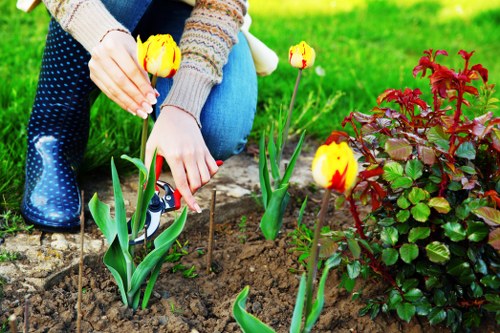
Every successful garden renovation starts with a clear plan. Before choosing materials or plants, it is important to assess how the space is currently used and what problems need to be solved. Does the garden lack seating? Is there too much shade? Is the layout awkward or the soil in poor condition? Understanding these issues makes it easier to create a garden renovation plan that works for the property and the people who use it.
In Elephant and Castle, many gardens are shaped by urban constraints such as limited width, overlooked boundaries, and hard surfaces. This means design needs to be efficient. A good renovation plan usually includes zoning, where different parts of the garden are assigned specific purposes such as dining, planting, storage, or relaxation. Even small gardens can feel larger and more organised when they are divided intelligently.
It is also wise to consider how the garden will be used throughout the year. A well-planned renovation should account for seasonal changes, drainage, sunlight, and maintenance levels. For example, families may want durable grass alternatives and child-friendly features, while busy professionals may prefer evergreen planting and low-maintenance finishes. A tailored approach ensures the renovated garden remains enjoyable over time.
Key planning questions to ask
- What is the main purpose of the garden?
- How much time can be spent on maintenance?
- Which areas receive the most sun or shade?
- Is privacy a priority?
- Do you want space for dining, entertaining, or children’s play?
Design Ideas for Modern Garden Renovation
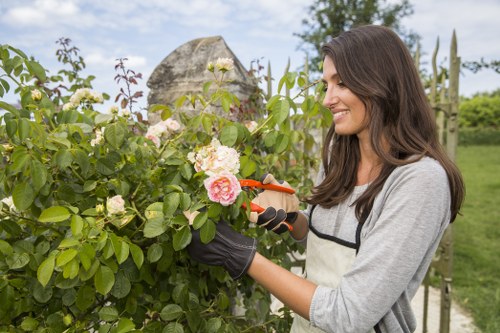
Modern garden renovation in Elephant and Castle often focuses on clean lines, efficient layouts, and a balanced mix of hard landscaping and greenery. Contemporary outdoor spaces tend to use materials such as porcelain paving, timber decking, gravel, and Corten steel accents to create a sleek look. These finishes work well in urban settings because they are stylish, durable, and easy to maintain.
One popular approach is to create a multi-functional garden that supports several uses without feeling cluttered. A compact patio might serve as a dining area, while raised beds provide structure and greenery around the edges. Built-in seating can save space, and vertical planting can introduce softness without reducing floor area. This kind of layout is especially effective for garden renovation in Elephant and Castle, where maximising space is often a top priority.
Lighting also plays a major role in modern garden design. Subtle lighting along pathways, steps, and planting beds can make the space usable after dark while adding atmosphere. Solar lights, low-voltage LEDs, and wall-mounted fixtures are popular choices for urban gardens because they are energy-efficient and visually appealing. Good lighting extends the use of the garden and helps create a welcoming feel in the evening.
Popular modern features
- Porcelain or sandstone paving
- Composite or hardwood decking
- Raised planters
- Integrated bench seating
- Outdoor lighting schemes
- Decorative gravel and edging
Maximising Small Garden Spaces in Elephant and Castle
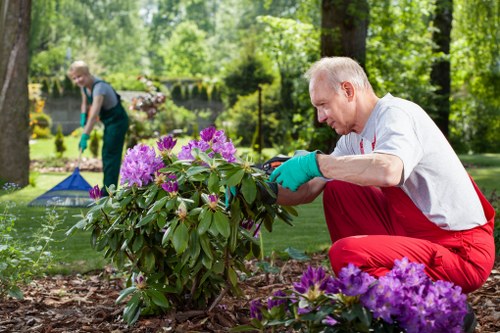
Many properties in Elephant and Castle have modest outdoor areas, but small gardens can still be highly effective when renovated with care. The key is to make every square metre work harder. Instead of filling the space with too many features, a successful small garden renovation usually prioritises clean structure, clever storage, and carefully chosen planting. The result is a garden that feels spacious rather than crowded.
Vertical design is particularly useful in compact urban gardens. Trellises, wall planters, and climbing plants draw the eye upward and create visual interest without taking up floor space. Mirrors can also be used carefully to reflect light and make the garden appear larger, although they should be positioned thoughtfully to avoid glare. In a garden renovation in Elephant and Castle, these techniques help create a sense of openness even in tight settings.
Furniture should also be scaled appropriately. Foldable tables, stackable chairs, and built-in benches are ideal for smaller gardens because they provide function without overwhelming the layout. Choosing a limited number of materials and colours can make the space feel more cohesive. A restrained palette often works better in compact gardens, where too many competing elements can make the area feel smaller.
Space-saving techniques
- Use raised beds instead of scattered plant pots.
- Install vertical trellis planting.
- Choose slimline furniture.
- Keep pathways simple and direct.
- Use consistent paving materials for visual continuity.
Improving Soil, Drainage, and Ground Conditions
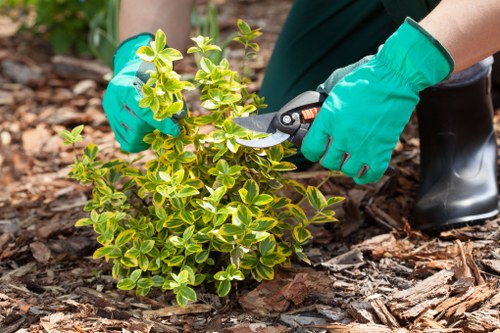
A beautiful garden renovation depends on what lies beneath the surface. In many London gardens, poor soil quality, compacted ground, and drainage issues can affect plant growth and long-term performance. Before adding new features, it is important to assess the underlying condition of the site. This is especially relevant for garden renovation in Elephant and Castle, where older plots and heavily used urban spaces may need groundwork improvements.
Drainage problems are common in city gardens because of paving, clay soil, or uneven surfaces. Water pooling can damage plants, stain patios, and create slippery conditions. Solutions may include installing soakaways, improving soil structure, adding permeable surfaces, or reshaping the land slightly to encourage better runoff. A well-drained garden is not only healthier but also safer and easier to maintain.
Soil improvement is equally important. Adding organic matter, compost, and mulch can help create a stronger growing environment, especially where old gardens have been neglected or stripped of nutrients. For homeowners who want a lush planting scheme, improving the foundation of the garden is often the difference between short-term appeal and long-term success. Garden renovation should always address both visible and hidden elements.
Common groundwork improvements
- Levelling uneven ground
- Replacing compacted or poor soil
- Installing drainage channels
- Using permeable paving
- Adding compost and mulch
Choosing Plants for an Urban London Garden
Plant selection is one of the most enjoyable parts of garden renovation, but it should be approached strategically. The best plants for an urban garden are those that suit the available light, space, and maintenance level. In Elephant and Castle, many gardens experience partial shade, limited wind protection, and changing microclimates due to surrounding buildings. Choosing resilient, adaptable plants makes the renovation more successful.
Evergreen plants are especially useful because they provide year-round structure and colour. Lavender, heuchera, ferns, ornamental grasses, and box alternatives can all work well in city gardens. Flowering shrubs and seasonal perennials add variety, while climbers such as jasmine, honeysuckle, or clematis can soften walls and fences. A mix of textures and heights helps create depth in the space.
For those who want a greener, more natural feel, wildlife-friendly planting can be a smart option. Pollinator-friendly flowers, berry-producing shrubs, and native species support birds and insects while enhancing the visual appeal of the garden. This adds environmental value to garden renovation in Elephant and Castle and makes the outdoor space feel more alive throughout the seasons.
Planting ideas that suit urban gardens
- Lavender for fragrance and structure
- Ferns for shady corners
- Ornamental grasses for movement
- Climbers for vertical impact
- Evergreen shrubs for all-year interest
- Pollinator plants for biodiversity
Hard Landscaping Features That Add Value
Hard landscaping gives a garden shape, practicality, and durability. In many renovation projects, the addition of patios, pathways, retaining walls, and edging helps organise the space and make it easier to use. These elements are especially important in urban areas where the garden needs to look neat and function well with limited room. In a well-designed garden renovation in Elephant and Castle, hard landscaping often provides the framework for the entire layout.
Patios are among the most useful features because they create a dedicated area for seating, dining, or entertaining. Depending on the style of the property, materials can range from classic natural stone to modern concrete slabs or porcelain tiles. Pathways, meanwhile, help guide movement and can prevent lawn damage or soil compaction. When designed properly, they improve both the look and the usability of the garden.
Walls, steps, and raised beds can also be highly effective. They define levels, support planting, and add architectural interest. Retaining walls may be particularly useful on sloped sites, where they can make the garden easier to access and maintain. These features should be integrated with care so that they feel intentional rather than purely functional.
Useful hard landscaping elements
- Patios and terraces
- Walkways and stepping stones
- Raised planters
- Boundary walls and screens
- Decking and platform areas
- Decorative edging
Creating Privacy and Shelter in a Busy Area
Privacy is a major concern for many people considering garden renovation in Elephant and Castle. With nearby homes, apartment blocks, and shared sightlines, it is important to create a space that feels personal and relaxed. Strategic planting, fencing, screens, and pergolas can all help shield the garden from view while adding character. The goal is not to shut the space off completely, but to create comfort and intimacy.
Layered planting is one of the most effective ways to achieve natural screening. Tall grasses, evergreen shrubs, and climbing plants can soften boundaries while still maintaining a garden’s open feel. Decorative panels or slatted timber fencing can also provide privacy without making the area feel enclosed. In many cases, a combination of living and structural elements works best.
Shelter is another important consideration. Wind, rain, and strong sun can all affect how often the garden is used. Pergolas, awnings, and planted boundaries help create more usable outdoor space across the year. By thinking carefully about exposure and comfort, a renovation can produce a garden that feels welcoming in different weather conditions and more suitable for everyday life.
Privacy-enhancing options
- Timber or composite fencing
- Slatted screens
- Evergreen hedging
- Climbers on trellises
- Pergolas and shade structures
Low-Maintenance Garden Renovation for Busy Lifestyles
Not everyone has time for intensive garden care, and that is why low-maintenance design is such a strong trend in urban areas. Many residents seeking garden renovation in Elephant and Castle want an outdoor space that looks good without demanding constant attention. The right materials and planting choices can dramatically reduce maintenance while keeping the garden attractive.
Low-maintenance gardens often use hard surfaces, evergreen planting, and simple layouts to minimise ongoing work. Artificial grass can be considered for some properties, though many homeowners prefer natural alternatives such as gravel gardens, ground cover plants, or hardy ornamental planting. The best solution depends on the intended use of the space and the desired look. Garden renovation should always balance appearance with practicality.
Maintenance can also be reduced through smart design details such as weed-control membranes, drip irrigation, and durable finishes. Raised beds make planting easier to manage, and consistent material choices simplify cleaning and repairs. A low-maintenance garden does not have to be plain; it can still feel elegant, layered, and welcoming when designed thoughtfully.
Features of a low-maintenance garden
- Evergreen shrubs and ground cover
- Simple paving layouts
- Gravel areas with edging
- Automatic or drip irrigation
- Durable outdoor furniture
Renovating for Families, Entertaining, or Relaxation
Different households need different garden solutions, which is why a good renovation begins with lifestyle planning. A family garden may need open play space, safe surfaces, and room for storage. An entertaining space may focus on dining areas, atmospheric lighting, and flexible seating. A relaxation-focused garden may prioritise soft planting, quieter corners, and calming textures. This flexibility is one reason garden renovation in Elephant and Castle is so adaptable.
For families, safety and practicality matter. Non-slip surfaces, defined boundaries, and easy sightlines can make the space more usable and reassuring. For social use, zones for cooking, seating, and drinks can create a more polished outdoor experience. If relaxation is the main aim, features such as water bowls, aromatic plants, and comfortable lounge furniture can create a peaceful retreat away from the pace of the city.
When the layout is tailored to the household, the garden becomes much more than an outside area. It becomes a part of daily life. This is the real value of garden renovation: not simply changing how the garden looks, but improving how it feels and how it is used.
Budgeting and Prioritising Renovation Work
Budget plays a central role in any garden project. Some renovations may involve a complete redesign, while others focus on targeted improvements such as new paving, fencing, planting, or lighting. A realistic budget helps ensure the project is manageable and avoids compromises that reduce quality. For garden renovation in Elephant and Castle, where property types and garden sizes vary widely, cost planning should be specific to the site.
A useful approach is to prioritise work in stages. First, address structural or practical issues such as drainage, levels, and boundaries. Next, install core hard landscaping features. Finally, complete the planting, furniture, and decorative finishing touches. This sequence helps the garden become usable sooner and ensures the important foundations are in place before aesthetic details are added.
It is also worth thinking about long-term value rather than only upfront expense. Cheaper materials may cost less initially but require replacement sooner. Durable finishes, quality planting, and efficient design can reduce ongoing costs and make the garden more enjoyable for longer. In many cases, a well-planned renovation delivers better value than a rushed or purely cosmetic update.
Budget priorities to consider
- Drainage and ground preparation
- Patio, decking, or pathway installation
- Boundary treatments and privacy solutions
- Planting and soft landscaping
- Lighting and finishing features
Why Professional Support Can Make a Difference
Although some homeowners prefer to handle small updates themselves, larger projects often benefit from professional support. A skilled landscaping team or garden designer can bring experience in layout planning, material selection, plant combinations, and construction methods. This is especially useful for garden renovation in Elephant and Castle, where space constraints and local conditions require smart, efficient decisions.
Professional input can also help avoid costly mistakes. Poor drainage, unsuitable paving, and badly placed planting can all undermine a renovation if not addressed correctly. With the right expertise, however, the garden can be transformed in a way that looks cohesive and performs well over time. Even when the work is phased, having a clear master plan keeps the project focused.
For many property owners, working with experienced specialists saves time, reduces stress, and improves the final result. It also allows the renovation to reflect both practical needs and design goals more accurately. If you want a garden that feels polished, functional, and suited to urban living, contact us today to discuss how the space could be improved. Book your service now and start planning a garden that works beautifully for your home.
Long-Term Benefits of a Well-Renovated Garden
A thoughtfully renovated garden offers benefits that extend well beyond the day the work is completed. It can enhance daily living, create a more attractive home environment, and support a healthier connection to outdoor space. In an area like Elephant and Castle, where urban density can make private open space especially valuable, these benefits are significant. A successful garden renovation provides comfort, flexibility, and lasting visual appeal.
There is also an environmental dimension. Better planting, improved soil health, and more efficient use of water can make a garden more sustainable. Where possible, incorporating wildlife-friendly features and permeable surfaces can support local ecology and reduce runoff. These choices are practical, responsible, and increasingly appealing to modern homeowners. They also add depth to the idea of garden renovation, making it about more than appearance alone.
Ultimately, garden renovation in Elephant and Castle is about creating outdoor space that matches the pace and personality of city life. Whether the aim is to entertain, relax, grow plants, or simply enjoy a tidier view, the right renovation can make the garden feel like a genuine extension of the home. With careful planning, smart design, and quality materials, even the smallest urban garden can become a place people love spending time in.
Final thoughts
If your outdoor space feels outdated, underused, or difficult to manage, now may be the right time to explore a fresh approach. A well-executed garden renovation can bring structure, beauty, and purpose to your property while increasing its overall appeal. From planting plans and paving to privacy screens and lighting, every improvement can contribute to a better result. Book your service now and take the next step toward a transformed garden.

